
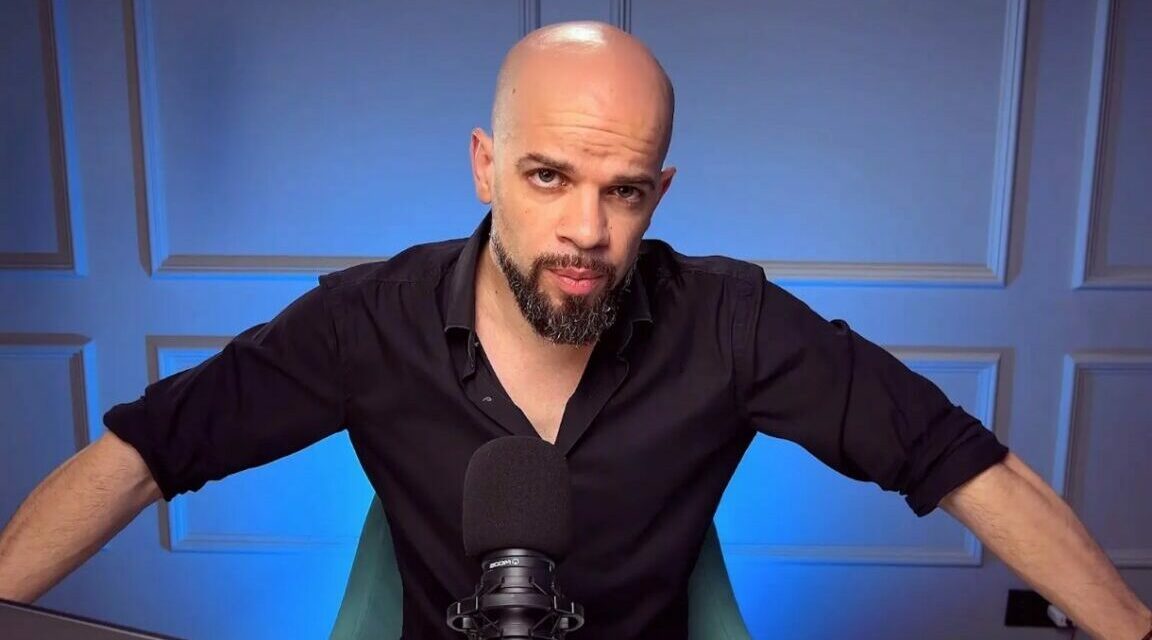
How to Monetize a YouTube Audience Without Ads or Sponsors
Last verified: August 15, 2026
Use YouTube for discovery and trust, then sell a relevant offer directly to the viewer. The offer can be a digital product, course, coaching package, paid community, newsletter or disclosed affiliate recommendation. Revenue comes from solving the next problem after the video, not from interrupting the video with an unrelated pitch.
Disclosure: I am Jean-Marie Cordaro, Founder & CEO of Bonzai.pro. The Bonzai button on this page is a tracked affiliate link and may generate a commission at no extra cost to the reader.
Turn viewer intent into an owned offer
Bonzai combines a creator page, products, courses, coaching, paid communities, newsletters, email capture and affiliation without requiring a creator-managed Stripe account.
Why direct offers matter before ad revenue
YouTube’s current monetization documentation applies eligibility thresholds to native features. Published entry thresholds for some fan-funding features include 500 subscribers, three public uploads in 90 days and either 3,000 public watch hours in 365 days or 3 million public Shorts views in 90 days. Higher thresholds apply to watch-page and Shorts ad revenue.
Eligibility also varies by feature, location, channel status and policy compliance. A creator can still validate and sell an external product or service before advertising revenue becomes meaningful, provided the content, links and commercial practices follow YouTube policies and applicable law.
Match the offer to the reason people watch
Start with the videos that attract a recognizable viewer problem. A camera tutorial can lead to a setup checklist or course. A business analysis channel can sell a research briefing. A career channel can sell a defined coaching package. The offer should continue the work the video started.
| Viewer intent | Possible direct offer | Useful next step |
|---|---|---|
| Learn a repeatable skill | Course, workshop or template | Complete a first practical result |
| Apply advice to a specific case | Coaching or consulting package | Book and pay for defined support |
| Stay current | Paid newsletter or briefing | Receive recurring analysis |
| Work with peers | Paid community | Join a structured member experience |
| Choose a tool or product | Disclosed affiliate recommendation | Review a relevant solution |
Build one conversion path per video cluster
- Group videos by the viewer problem they address.
- Choose one next action for that cluster.
- Create a landing page that repeats the problem and explains the offer.
- Place the link where the video and channel format allow it.
- Explain the offer verbally only when it belongs in the content.
- Track visits, qualified leads, sales, refunds and support demand.
Do not send every viewer to a generic homepage with six competing buttons. A video about launching a paid newsletter should lead to the newsletter resource or product, not to a vague “work with me” page.
Use email to continue the relationship
Most viewers will not buy during the first visit. Offer a useful free resource, sample issue, checklist or short lesson tied to the video. The email sequence can then deliver the promised resource, add context and present the paid offer when relevant.
Collect addresses with clear consent and a real unsubscribe route. Store the product masters and maintain lawful subscriber exports. The goal is portability, not pretending any software relationship is permanent.
Sell digital products with a narrow promise
Templates, guides, databases and short courses work when they save the viewer time or help complete a task. Build from repeated comments, search terms, support questions and the steps viewers still struggle with after watching.
Validate with a small paid version before producing a large catalog. Use How to Sell Digital Products in 2026 for the product workflow and How to Create and Sell an Online Course in 2026 for course design.
Productize coaching instead of selling vague access
A viewer may want help applying the channel’s ideas to a personal situation. Sell a package with a named scope, session count, payment terms, scheduling process and boundaries. Avoid outcomes controlled by employers, markets, platforms or the client.
Link to the relevant coaching page from videos where individual application is the logical next step. A general entertainment video is not automatically a coaching lead source.
Use recurring offers when value actually recurs
A paid community can support peer progress and expert access. A paid newsletter can provide recurring analysis. A membership can release new tools or training. Recurring billing needs recurring value, clear cancellation and a sustainable publishing or facilitation rhythm.
A weak monthly offer does not become stable because YouTube sends traffic. Track activation, usage, cancellation and the work required to keep the promise.
Use affiliation without turning the channel into a catalog
Recommend products that belong in the topic and that you can explain accurately. Disclose the commission clearly. Separate demonstrated facts from opinion and avoid claims supplied by a vendor when you cannot verify them.
For a product owner, the operational framework is in How to Create an Affiliate Program for Digital Products. Affiliates should also follow YouTube’s policies and the disclosure rules that apply in their jurisdiction.
Respect YouTube’s external links policy
YouTube prohibits links to content that violates its Community Guidelines, including malware, phishing and unauthorized access to paid material. Some external-link capabilities can also depend on channel feature eligibility or verification. Check the current rules rather than copying an old tutorial.
Use accurate landing pages, consistent product names and a secure checkout. Do not use redirects to conceal the destination or promise something the linked page does not provide.
Measure the business behind the views
- Qualified landing-page visits by video cluster
- Email signup rate and consent quality
- Sales and retained revenue after refunds
- Support demand by offer
- Repeat purchase or renewal where relevant
- Revenue concentration by channel and product
A video with fewer views can produce more business when it reaches buyers with a current problem. Optimize for qualified attention and product fit, not a vanity total detached from revenue.
Questions about YouTube monetization
Can a small channel sell products?
Yes. A small channel can reach a narrow audience with strong intent. Audience size does not replace offer quality, but there is no general YouTube subscriber threshold for selling a lawful external product through permitted links.
What should I sell first?
Choose the smallest offer that solves the next problem after a proven video topic. A workshop, template, diagnostic session or short guide can validate demand.
Do I need a website?
No traditional website is required if a hosted platform provides the landing page, checkout and delivery. An owned domain and documented exports still improve resilience.
Can Bonzai replace YouTube monetization?
Bonzai does not replace YouTube discovery or native revenue features. It provides an external environment for audience capture and direct offers such as products, courses, coaching, communities, newsletters and affiliation.
Official sources and related guides
- YouTube monetization features and thresholds
- YouTube external links policy
- Bonzai creator features
- Audience monetization models
- Creator Guides
About the author
Jean-Marie Cordaro is an entrepreneur, creator and the Founder & CEO of Bonzai.pro. His work focuses on direct audience monetization, YouTube-led businesses and creator-platform infrastructure.